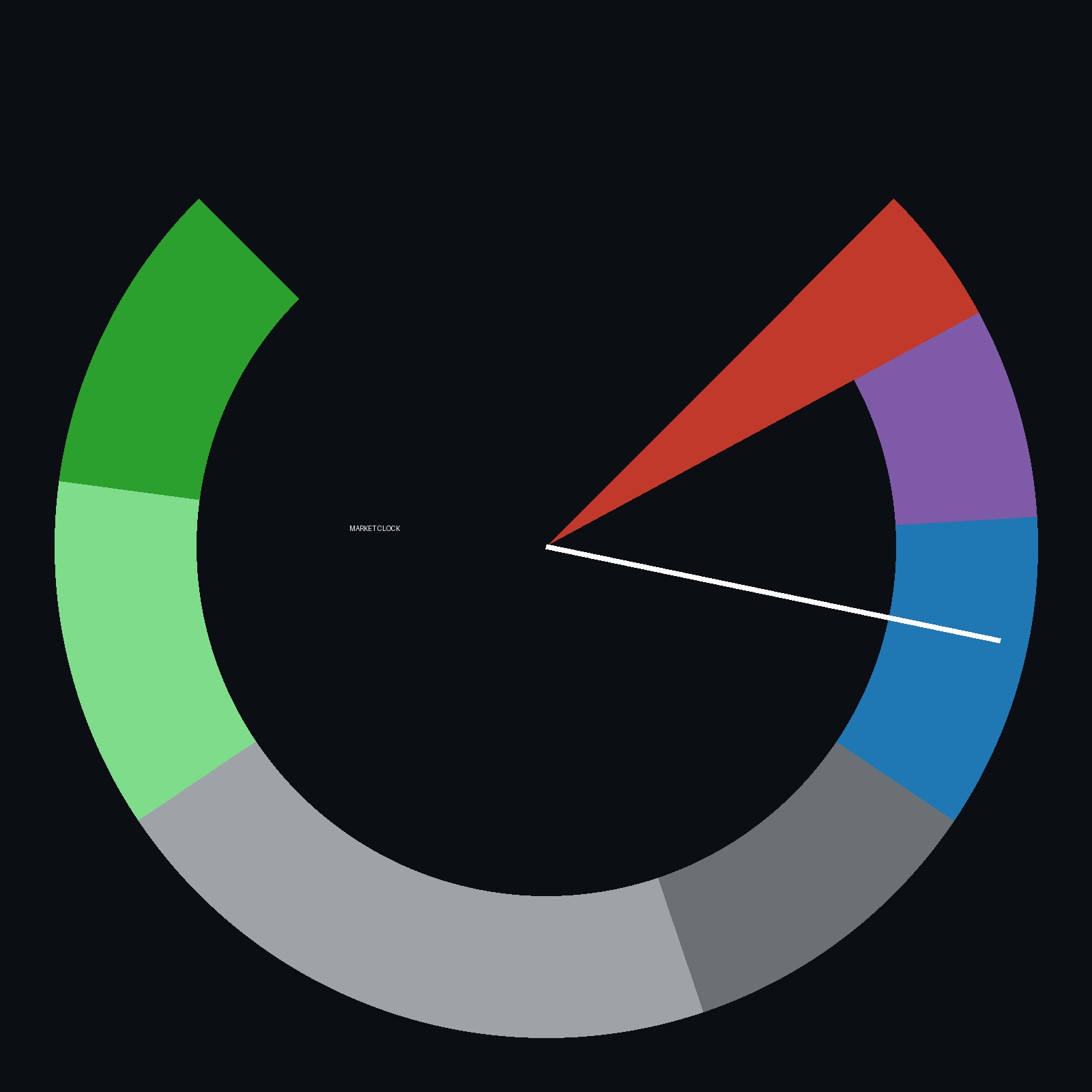
AstraCoin does not see crypto as a random list of tickers. He sees it as a structured infrastructure stack, where each asset plays a specific role in the emerging digital economy. The 9‑Crypto Framework is his way of organizing that stack into a clear, functional model. Instead of chasing every new token, AstraCoin focuses on nine core assets that represent the essential layers of settlement, payments, throughput, credit, data, and infrastructure.
This framework is not about popularity or hype. It is about function, liquidity depth, network effect, and structural importance. Each of the nine assets has proven resilience, institutional interest, and a clear role in the broader system. By concentrating on these nine, AstraCoin can apply the Clock Family mathematics — Demand Ratio, DVF, histograms, and wave logic — to a universe that is coherent, measurable, and truly infrastructure‑driven.
AstraCoin’s 9‑Crypto Model groups assets into four macro categories that reflect how value and liquidity move through the digital economy:
- Reserve & Settlement: Assets that anchor value and enable final settlement.
- Payments & Liquidity: Assets that move value quickly and efficiently across networks.
- Growth & Throughput: Assets that provide high‑velocity computation and scaling.
- Credit, Data & Infrastructure: Assets that enable lending, data integrity, and network logic.
These categories are not arbitrary. They reflect how real‑world systems work: reserves back everything, payments move value, throughput processes activity, and credit/data/infrastructure coordinate the entire system. The 9‑Crypto Framework is AstraCoin’s way of mapping crypto to this functional reality.
Within these four categories, AstraCoin focuses on nine specific assets. Each one is chosen for its structural role, liquidity profile, and long‑term relevance to the digital economy.
Bitcoin (BTC) is the original reserve asset of the crypto world. It is slow, deliberate, and designed for durability rather than flexibility. Its primary role is value anchoring and long‑term settlement. AstraCoin analyzes BTC through Demand Ratio to understand when liquidity is quietly accumulating versus when it is exiting in waves.
Ethereum (ETH) extends the idea of settlement into programmable logic. ETH is both a settlement layer and a computation layer, enabling smart contracts and decentralized applications. In AstraCoin’s framework, ETH represents programmable settlement, where value and logic are intertwined. Its DR and DVF behavior reveal when the network is building structural demand versus speculative bursts.
XRP is designed for high‑speed, low‑cost cross‑border transfers. It functions as a liquidity bridge between currencies and networks. AstraCoin tracks XRP to understand how institutional and corridor‑based liquidity behaves over time.
XLM (Stellar) focuses on inclusive payments and remittances, especially for underbanked regions. It represents accessible payments infrastructure. Its DR zones often reveal where grassroots adoption is quietly building.
LTC (Litecoin) is a high‑throughput, lower‑latency variant of Bitcoin’s design. It serves as a transactional complement to BTC, often used for faster transfers and smaller payments. AstraCoin includes LTC as part of the payments layer that supports everyday movement of value.
Solana (SOL) represents the high‑velocity throughput layer of the crypto stack. It is built for extremely fast, low‑cost transactions and high‑volume applications. In AstraCoin’s model, SOL is the asset that shows how demand for computation and user activity translates into liquidity pressure. Its DR and DVF patterns help distinguish between genuine ecosystem growth and short‑term speculative surges.
AAVE is a core protocol for decentralized lending and credit. It represents the credit layer of the digital economy, where collateral, borrowing, and interest rates are managed on‑chain. AstraCoin analyzes AAVE to understand how liquidity behaves when it is locked, lent, and recycled through credit markets.
Chainlink (LINK) is the data integrity layer, providing oracles that connect on‑chain logic to off‑chain information. Without reliable data, smart contracts cannot function safely. LINK’s role is to secure the bridge between reality and code. Its DR zones often reflect the market’s confidence in the oracle infrastructure that underpins DeFi.
Polkadot (DOT) is an interoperability and infrastructure asset, designed to connect multiple blockchains into a cohesive network. In AstraCoin’s framework, DOT represents the logic that ties different systems together, enabling specialized chains to share security and data. Its liquidity behavior reveals how markets value cross‑chain coordination over time.
AstraCoin’s selection of these nine assets is based on a combination of factors:
- Infrastructure role: Each asset serves a clear function in the digital economy.
- Liquidity depth: They have meaningful, persistent liquidity rather than fleeting hype.
- Network effect: They are embedded in ecosystems with strong user and developer bases.
- Institutional interest: Many are referenced in institutional research, products, or integrations.
- Resilience: They have survived multiple market cycles and continued to evolve.
By focusing on these nine, AstraCoin can apply the Clock Family mathematics to a universe that truly matters. Demand Ratio becomes a truth engine for infrastructure, not just a tool for chasing volatility. DVF separates genuine structural movement from noise. Histograms and Pareto views show where liquidity has actually lived, not just where price briefly spiked.
In daily analysis, AstraCoin uses the 9‑Crypto Framework as a map. Each asset is monitored through:
- Demand Ratio (DR): To identify accumulation, distribution, and phase transitions.
- Demand‑Volume Factor (DVF): To measure the strength behind each move.
- Time‑in‑state histograms: To see where liquidity has spent most of its time.
- Pareto views: To highlight dominant DR zones and structural regimes.
- Polynomial trendlines: To separate local waves from macro cycles.
- Three‑Phase Price Philosophy: To classify each asset’s current stage in its cycle.
This approach turns the 9‑Crypto Model into a
The 9‑Crypto Framework is AstraCoin’s answer to the chaos of an ever‑expanding token universe. By focusing on nine infrastructure assets across four functional categories, he provides a clear, disciplined way to understand the digital economy. BTC and ETH anchor value and settlement. XRP, XLM, and LTC move value. SOL scales activity. AAVE, LINK, and DOT coordinate credit, data, and interoperability.
For AstraCoin, this is not a list of “favorites.” It is a structural map of how crypto behaves as an infrastructure system. Price is the reflection; liquidity and function are the cause. The 9‑Crypto Model allows anyone — from beginners to advanced analysts — to see crypto not as a casino, but as a layered, evolving architecture for the future of finance.
This page is designed for education, not speculation. It exists to help users understand the roles and relationships of key infrastructure assets, in line with AstraCoin’s mission: to move beyond hype and into the structural truth of the market.